Choosing the Right Hearing Aid: Understanding the Different Styles

How to Choose the Best Style for You

Discovering that you have hearing loss can bring a mix of emotions — and understandably, a lot of questions. One of the first decisions you’ll face is choosing the right hearing aid. With today’s advanced technology and thoughtfully designed styles, that choice doesn’t have to feel overwhelming.


At Webster Street Hearing Boutique, we believe selecting a hearing device should feel thoughtful, seamless, and empowering. Modern hearing aids come in a range of elegant styles — each tailored to different levels of hearing loss, lifestyle preferences, and comfort.


Below, you’ll find a simple overview of the most common styles, thoughtfully outlined to make the decision feel easier.

Behind-the-Ear (BTE)
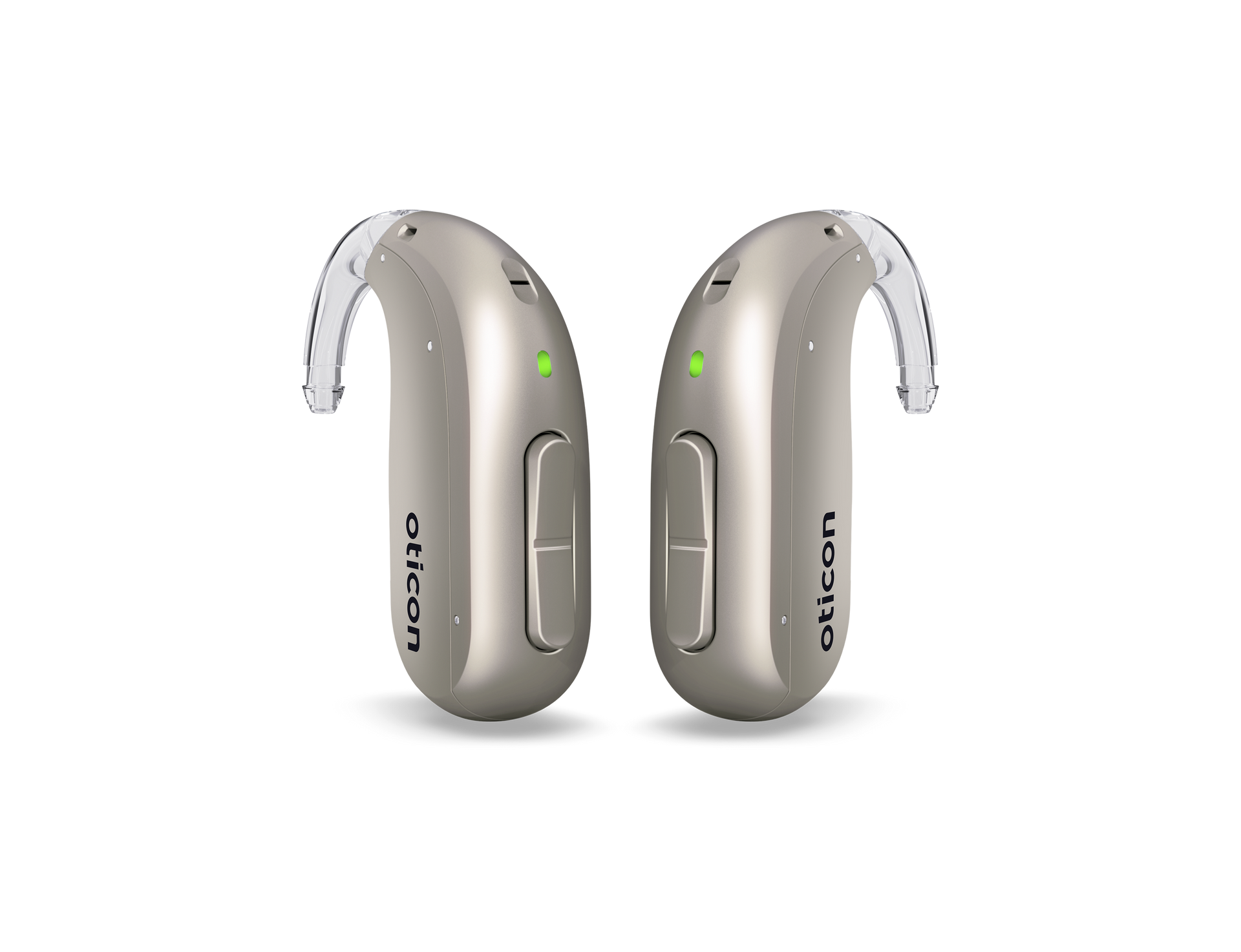
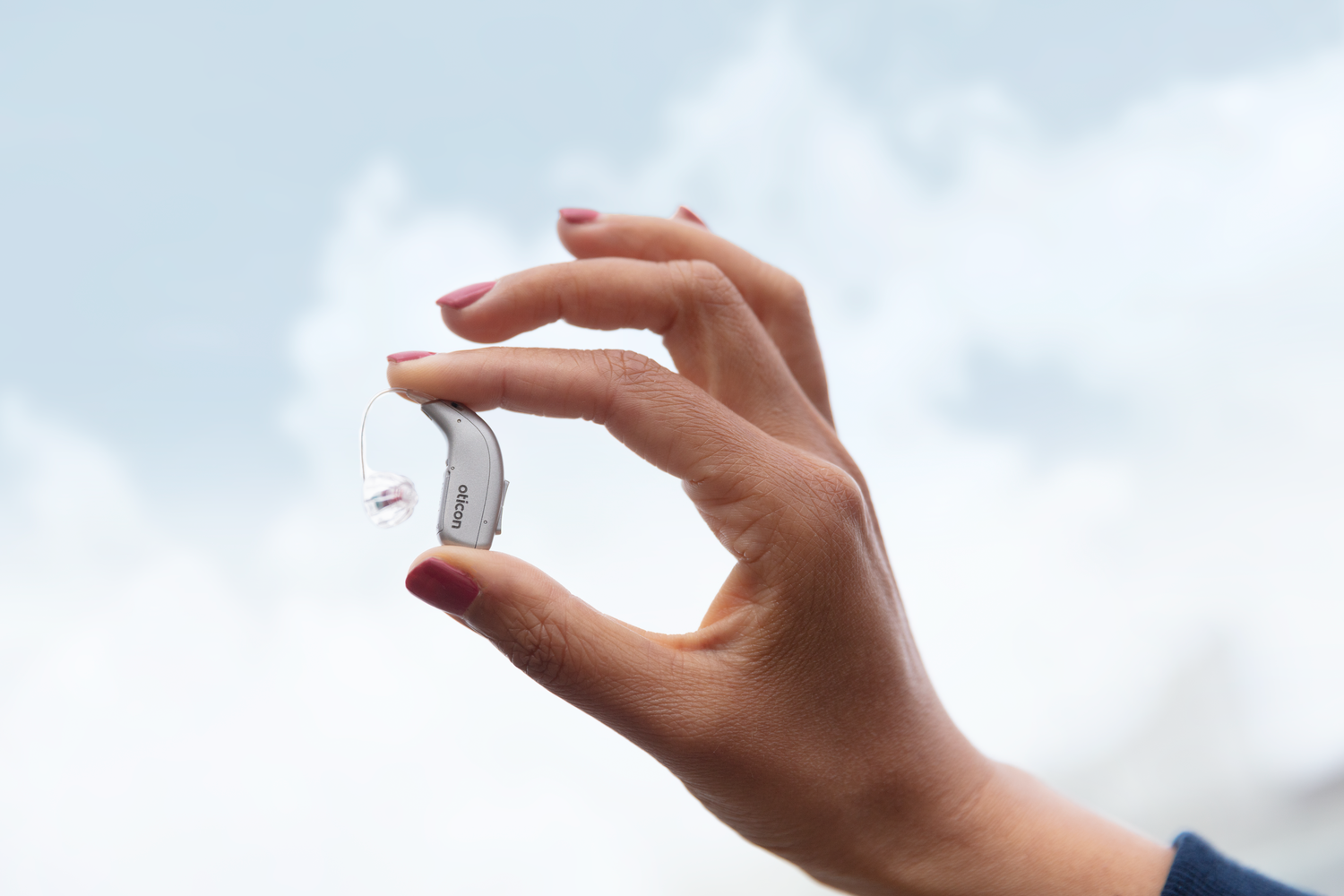
BTE hearing aids rest comfortably behind the ear, with a small tube and earmold that directs sound into the ear canal.


Best for:  Mild to profound hearing loss

Benefits:  Easy to handle, very reliable, and often have strong amplification. Rechargeable options available

Look:  Visible but sleek, often in discreet colors to match hair or skin.

Receiver-in-Canal (RIC)

Similar to BTE, but with the speaker placed inside the ear canal for a more natural sound.


Best for:  Mild to severe hearing loss

Benefits:  Clear sound, comfortable, and rechargeable

Look:  Very discreet, with a thin wire nearly invisible on most ears.

In-the-Ear (ITE)

These fill part or all of the outer ear and are custom-made to fit your ear shape.


Best for:  Mild to severe hearing loss

Benefits:  Easy to insert and remove, simple controls. Rechargeable options available

Look:  More visible than smaller styles, but no parts behind the ear.

In-the-Canal (ITC)

& Completely-in-Canal (CIC)

These fit partly or fully inside the ear canal for a nearly invisible look.


Best for:  Mild to moderate hearing loss

Benefits:  Very discreet, natural sound quality.

Look:  Hardly noticeable, but may be trickier to handle for some.

The right hearing aid depends on your degree of hearing loss, ear shape, dexterity, and personal preferences. Our audiologists will thoughtfully guide you through each option, provide a personalized fitting, and ensure you feel comfortable and confident every step of the way.


Written by: Shayna Swift, ​BA, MSc

Board-Certified Audiologist

Webster Street Hearing Boutique


Published: February 25, 2026

Share This Post

Ready for a more refined hearing experience?
Discover what’s possible when care is tailored to you.
Book a Consultation
April 24, 2026
Protecting Those Who Protect Us First responders—paramedics, firefighters, police officers, and frontline medical professionals—work in environments defined by urgency, unpredictability, and often, intense noise exposure. From sirens and engines to alarms and chaotic scenes, their hearing is constantly under strain. Yet, hearing health is an often-overlooked aspect of occupational wellness in this population. At its core, audiology care for first responders is about preservation, performance, and quality of life. Repeated exposure to high-decibel environments places first responders at increased risk of noise-induced hearing loss . Hearing conversation in the presence of background noise can become especially difficult for individuals with this type of hearing loss. Another critical concern is tinnitus , commonly described as ringing or buzzing in the ears. For many first responders, tinnitus can become a persistent companion. Hearing Protection That Works in the Real World Traditional hearing protection can be impractical in emergency situations where situational awareness is critical. Fortunately, modern solutions offer a balance between protection and performance. Custom filtered hearing protection is designed to reduce harmful noise while preserving the ability to hear speech and environmental cues. Advanced filtered earplugs and electronic protection systems allow first responders to remain fully engaged in their surroundings, without compromising long-term hearing health. Amplified Stethoscopes For many in healthcare and emergency medicine, auscultation is a vital diagnostic tool. Amplified stethoscopes provide enhanced sound clarity, allowing clinicians to detect subtle findings even in noisy environments or in the presence of mild hearing loss. These devices can be transformative—restoring confidence, improving diagnostic accuracy, and extending the longevity of a clinician’s career. Proactive Care Baseline hearing assessments and regular follow-up testing are essential for early detection and intervention. Audiologists can identify subtle changes and offer tailored strategies that support both hearing preservation and occupational performance. First responders play a vital role in keeping our communities safe, often in high-noise, high-demand environments. Through proactive care and precision-fit hearing protection, we can help safeguard their hearing without compromising performance. At Webster Street Hearing Boutique, our custom-fit earplugs are designed to protect against harmful noise while preserving critical situational awareness—supporting both safety on the job and long-term hearing health. For personalized hearing protection solutions, contact Webster Street Hearing Boutique at (902) 678-5550—our team would be pleased to guide you.
April 24, 2026
Tinnitus and Hearing Aids: Can Better Hearing Bring Relief? Many people who come to our clinic describe tinnitus as a constant ringing, buzzing, or hissing sound that no one else can hear, affecting one or both ears. Tinnitus is very common, affecting an estimated 10–15% of adults, and recent Canadian data suggests it may be even more prevalent than previously thought. While tinnitus itself is not a disease, it can have a real impact on sleep, concentration, mood, and overall quality of life. What is Tinnitus? The most common form is subjective, chronic tinnitus, which means the sound is perceived only by the person experiencing it and is often linked to hearing loss. When the brain receives reduced sound input from the ears (for example, due to hearing loss) it may compensate by increasing internal neural activity—leading to the perception of tinnitus. Stress, poor sleep, anxiety, and other health factors can further amplify how noticeable or distressing it feels. Can hearing aids help? The answer from recent research is a clear yes—especially when hearing loss is present. A review in The New England Journal of Medicine recommends hearing aids as a first-line treatment for tinnitus in patients with hearing loss. By amplifying everyday environmental sounds, hearing aids can make tinnitus less noticeable and may help normalize changes in the auditory system that occur when hearing has been reduced. Patients often report improvements not only in tinnitus awareness, but also in communication, listening effort, and overall quality of life. This recommendation is further supported by newer evidence. The U.S. Department of Veterans Affairs (2024) recommends hearing aids for adults with tinnitus and hearing loss, citing evidence that amplification reduces tinnitus loudness and its impact on daily life, with benefits lasting for years and minimal risk. The American Academy of Otolaryngology–Head and Neck Surgery similarly encourages hearing aid evaluation for patients with bothersome tinnitus and hearing loss. A Comprehensive Approach to Tinnitus Care Some hearing aids include built-in sound generators, and these can be helpful for certain individuals when combined with counseling. However, current evidence does not clearly show that they are superior to hearing aids alone. What does matter is a comprehensive, patient-centered approach that includes tinnitus education, counseling, sound enrichment strategies, and attention to factors like stress, sleep, and mental well-being. For patients with significant distress, cognitive behavioural therapy (CBT) may be recommended as part of care. There is no single “cure” for tinnitus—but there are effective ways to reduce its impact. Based on strong and growing evidence, hearing aids are one of the most effective, low-risk, first-line options for managing tinnitus when hearing loss is involved. A thorough hearing assessment is often the most important first step toward relief and improved quality of life.
By Magdalena Kujath April 24, 2026
Protecting Your Hearing in the Age of Earbuds Earbuds have become part of everyday life—from music and podcasts to calls on the go. But as convenient as they are, everyday listening habits can have a lasting impact on your hearing health. Understanding how to listen safely is key to protecting your hearing for years to come. Noise-induced hearing loss (NIHL) is no longer limited to workplaces or concerts—it’s increasingly linked to everyday earbud use. With more people listening for longer periods at higher volumes, understanding safe listening habits has never been more important. About 19% of American teenagers show signs of NIHL. 24.4% of adults aged 20–69 have evidence of NIHL—and more than half of these cases occur in people without significant workplace noise exposure. Globally, the World Health Organization estimates that nearly 50% of people aged 12–35 (around 1.1 billion individuals) are at risk due to unsafe listening practices, including earbud use. That may sound alarming—but the good news is that NIHL is largely preventable. How Loud Is Too Loud? Many personal listening devices, including earbuds, can reach 100–110 decibels (dB)—and some can exceed 125 dB. For comparison, that’s similar to a chainsaw or a rock concert. Hearing risk depends on two things: How loud the sound is How long you listen Health organizations, including the American Academy of Family Physicians and the American Academy of Pediatrics, support the WHO’s recommendation of limiting listening to no more than one hour per day at 85 dBA . The WHO also promotes the easy-to-remember 60/60 rule. 60/60 Rule: Listen at 60% of maximum volume Listen for no more than 60 minutes at a time 
March 10, 2026
Celebrating the Women Who Helped Shape the Way We Hear
March 5, 2026
Did you know hearing loss can increase fall risk? Learn how hearing, balance, and brain function work together and why early testing matters.
March 5, 2026
The Hidden Connection Between Diabetes and Hearing Loss: What Patients Should Know