
Can Tinnitus Ruin My Hearing?
The Connection Between Tinnitus and Hearing Loss
A common question from patients with tinnitus is: “Can tinnitus give me hearing loss, or further ruin my hearing?” The short, reassuring answer is no—tinnitus itself does not damage your hearing.
Tinnitus is the perception of sound, such as ringing, buzzing, or hissing, when no external sound is present. Tinnitus is a symptom, not a disease. It is often associated with changes in the auditory system and how the brain processes sound. While an underlying condition may affect hearing, the tinnitus itself does not cause damage to your hearing.
Does Tinnitus Cause Hearing Loss?
Tinnitus does not cause hearing loss. You won’t lose more hearing simply because you have tinnitus. However, tinnitus and hearing loss commonly occur together, which is where the confusion comes from. Many people with chronic tinnitus also have some degree of hearing loss, even if it is mild or limited to certain frequencies. In other words, hearing loss may contribute to tinnitus, but tinnitus itself does not cause further hearing loss.
Importantly, hearing loss isn’t always obvious. A person may have reduced hearing at certain frequencies without noticing it in everyday life. This is one reason a hearing assessment is recommended for people experiencing tinnitus—it can identify subtle changes in hearing that may be contributing to the tinnitus.
What Causes Tinnitus?
Hearing loss is not the only possible contributor to tinnitus. Tinnitus can also be associated with noise exposure, earwax blockage, certain medications, head or neck injuries, jaw (TMJ) problems, and other health conditions. This is another reason proper assessment is important, particularly when tinnitus is new or has changed.
Tinnitus Can Still Affect Everyday Life
Even though tinnitus doesn’t damage hearing, it can still be disruptive. Persistent tinnitus may affect concentration, sleep, and emotional well-being. When the brain focuses on the tinnitus sound, everyday listening can feel harder—even when your hearing itself hasn’t changed.
What Can Help?
Evidence-based management strategies can help reduce how noticeable or bothersome tinnitus feels. Depending on the individual, these may include:
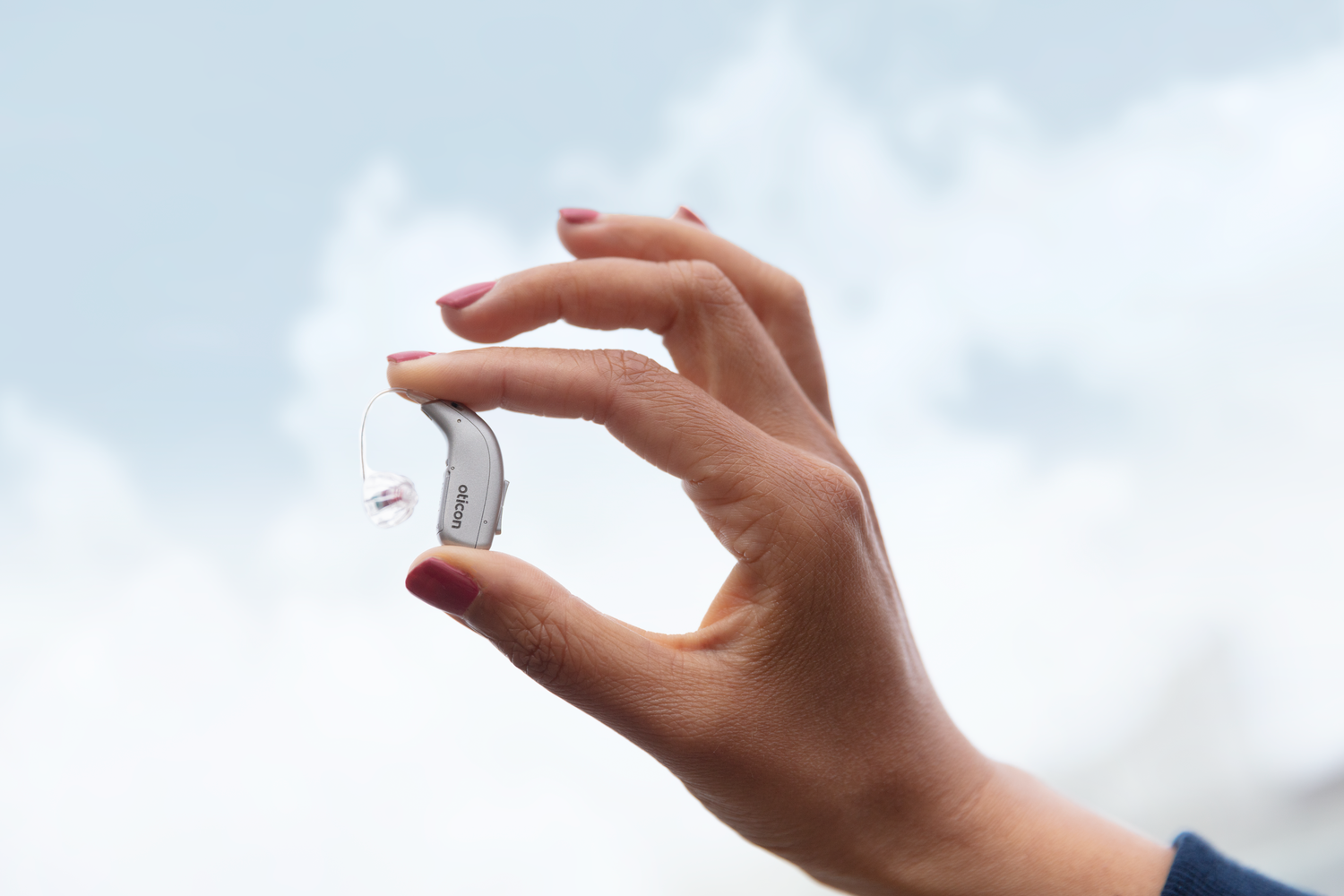
- Hearing aids when hearing loss is present
- Sound therapy
- Tinnitus counseling and education
- Stress and sleep management strategies
Many patients find that improving access to sound and learning strategies to manage their response to tinnitus can make it much less noticeable or intrusive.
When Should You Have Your Hearing Checked?
If tinnitus is new, worsening, or affecting your quality of life, a comprehensive hearing assessment is important. An audiologist can check your hearing, help you better understand your tinnitus, and guide you toward appropriate management options.
The Bottom Line
Tinnitus itself won’t ruin your hearing—but that doesn’t mean it should be ignored. Support and effective management options are available.
Tinnitus is different for everyone, and support should be too. Webster Street Hearing Boutique offers specialized tinnitus assessments and personalized management, including our 5-week Tinnitus Coaching Programme. Call (902) 678-5550 to learn more or book an appointment with one of our audiologists.
Written by: Shayna Swift, BA, MSc
Board-Certified Audiologist
Webster Street Hearing Boutique
Published: August 17, 2026
Share This Post
Ready for a more refined hearing experience?