If you’ve ever found yourself turning up the volume on the TV, asking people to repeat themselves, or feeling like conversations in noisy places are harder to follow, you might be wondering: Do I need a hearing test?
At our clinic, we often meet patients who didn’t realize just how much their hearing was affecting their day-to-day life. It can be difficult to know exactly what you’re missing. Hearing changes often happen gradually, making them easy to overlook until communication starts to feel more effortful. Many patients didn’t realize they had hearing loss until others began wearing masks during the pandemic.
Why a Hearing Test Matters
Hearing is more than just sound. It’s connection, safety, and quality of life. Untreated hearing loss can impact everything from your relationships and job performance to your mental and cognitive health.
The good news? Hearing tests are simple and non-invasive. They provide objective insight into how your auditory system is functioning and offer clear, personalized guidance for next steps — whether that means treatment, establishing a baseline, or simply peace of mind.
Common Signs You Might Need a Hearing Test
- Difficulty hearing in
groups or noisy environments
- Frequently asking people to
repeat themselves
- Feeling like others are
mumbling
- Turning the TV or radio volume
higher than others prefer
- Ringing in your ears
(tinnitus)
- Avoiding
social situations
because it’s hard to hear
- Feeling
mentally fatigued after conversations
If any of these sound familiar, your brain may be working harder to fill in the gaps. It may be time to consider having your hearing tested.
Who Should Get Tested?
Adults over 50: Like vision, hearing can change naturally with age. Include regular hearing evaluations in your overall wellness routine. Proactive monitoring helps preserve long-term hearing health and cognitive well-being.
People in noisy professions: Industrial and construction workers, musicians, farmers, and others exposed to loud noise should monitor their hearing regularly.
Children before starting school: All children should have their hearing tested before beginning school.
Anyone noticing changes: No matter your age, if something feels “off” or has changed, it’s worth having your hearing assessed.
What to Expect at Your Hearing Test
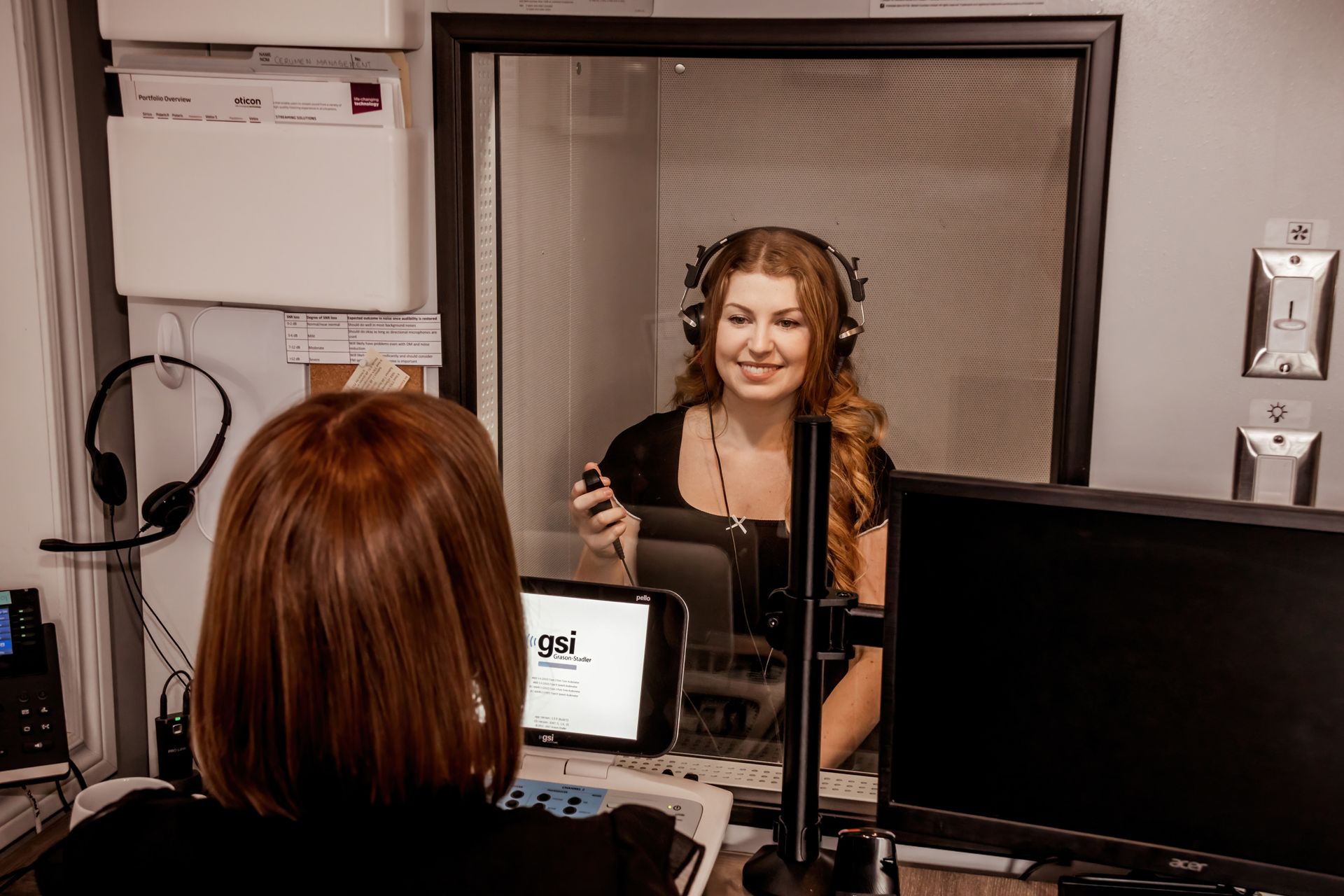
When you come in for a hearing test, you’ll be seen by our highly trained audiologists, Shayna Swift and Courtney Warmerdam. The appointment typically takes about one hour and includes:
- A discussion about your hearing history and concerns
- A visual examination of your ears (otoscopy)
- A comprehensive hearing assessment
- A clear explanation of your results and recommended next steps
Written by: Shayna Swift, BA, MSc
Board-Certified Audiologist
Webster Street Hearing Boutique
Published: February 25, 2026