
Can Hearing Aids Help with Tinnitus?
Tinnitus and Hearing Aids: Can Better Hearing Bring Relief?
Many people who come to our clinic describe tinnitus as a constant ringing, buzzing, or hissing sound that no one else can hear, affecting one or both ears. Tinnitus is very common, affecting an estimated 10–15% of adults, and recent Canadian data suggests it may be even more prevalent than previously thought. While tinnitus itself is not a disease, it can have a real impact on sleep, concentration, mood, and overall quality of life.
What is Tinnitus?
The most common form is subjective, chronic tinnitus, which means the sound is perceived only by the person experiencing it and is often linked to hearing loss. When the brain receives reduced sound input from the ears (for example, due to hearing loss) it may compensate by increasing internal neural activity—leading to the perception of tinnitus. Stress, poor sleep, anxiety, and other health factors can further amplify how noticeable or distressing it feels.
Can hearing aids help?
The answer from recent research is a clear yes—especially when hearing loss is present.
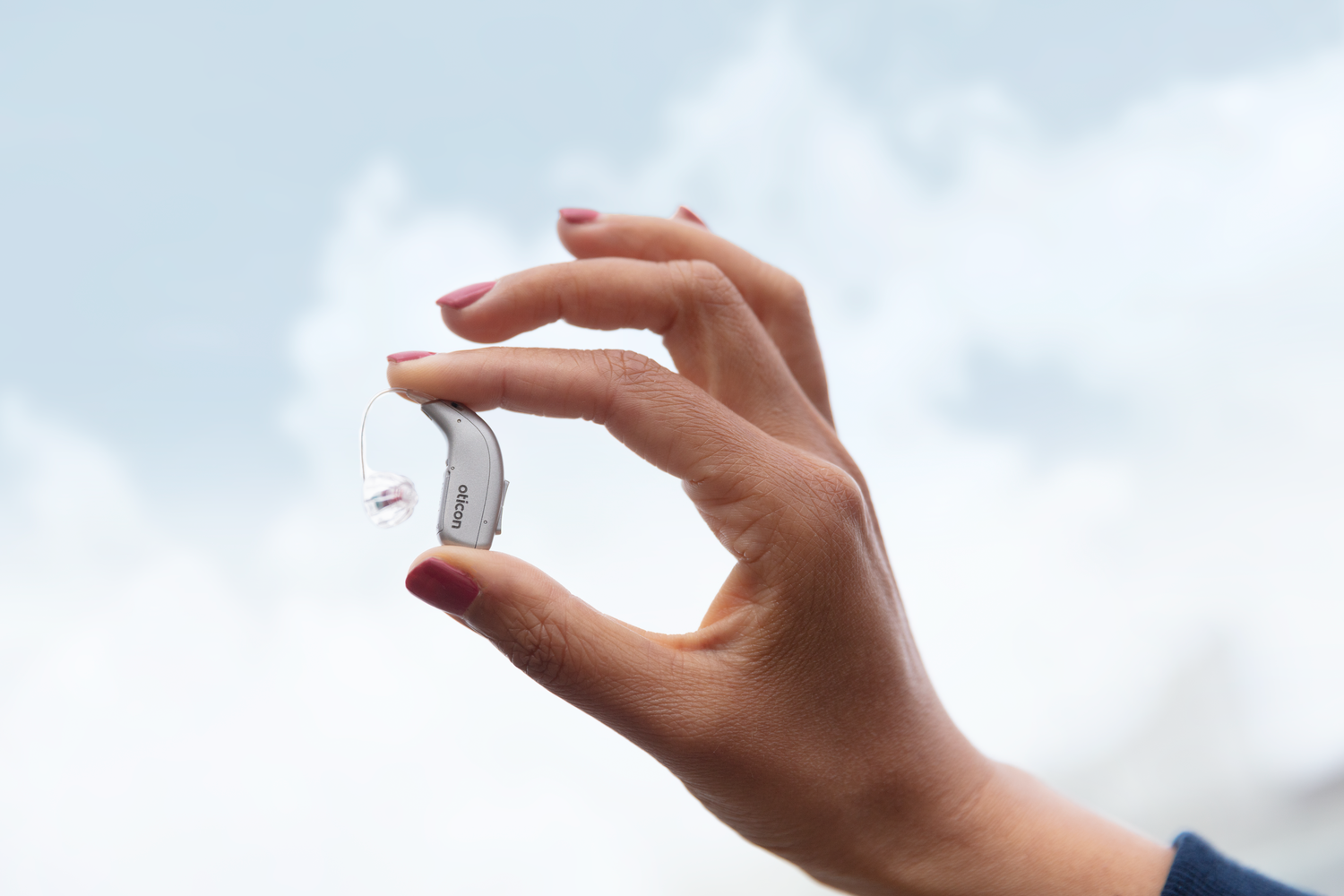
A review in The New England Journal of Medicine recommends hearing aids as a first-line treatment for tinnitus in patients with hearing loss. By amplifying everyday environmental sounds, hearing aids can make tinnitus less noticeable and may help normalize changes in the auditory system that occur when hearing has been reduced. Patients often report improvements not only in tinnitus awareness, but also in communication, listening effort, and overall quality of life.
This recommendation is further supported by newer evidence. The U.S. Department of Veterans Affairs (2024) recommends hearing aids for adults with tinnitus and hearing loss, citing evidence that amplification reduces tinnitus loudness and its impact on daily life, with benefits lasting for years and minimal risk. The American Academy of Otolaryngology–Head and Neck Surgery similarly encourages hearing aid evaluation for patients with bothersome tinnitus and hearing loss.
A Comprehensive Approach to Tinnitus Care
Some hearing aids include built-in sound generators, and these can be helpful for certain individuals when combined with counseling. However, current evidence does not clearly show that they are superior to hearing aids alone. What does matter is a comprehensive, patient-centered approach that includes tinnitus education, counseling, sound enrichment strategies, and attention to factors like stress, sleep, and mental well-being. For patients with significant distress, cognitive behavioural therapy (CBT) may be recommended as part of care.
There is no single “cure” for tinnitus—but there are effective ways to reduce its impact. Based on strong and growing evidence, hearing aids are one of the most effective, low-risk, first-line options for managing tinnitus when hearing loss is involved. A thorough hearing assessment is often the most important first step toward relief and improved quality of life.
Written by: Shayna Swift, BA, MSc
Board-Certified Audiologist
Webster Street Hearing Boutique
Published: April 9, 2026
References:
Baguley, D., McFerran, D., & Hall, D. (2013). Tinnitus. The New England Journal of Medicine, 369(18), 1663–1672. https://doi.org/10.1056/NEJMra1208964
National Institute on Deafness and Other Communication Disorders. (2023). Tinnitus. https://www.nidcd.nih.gov
Sereda, M., Xia, J., El Refaie, A., & Hall, D. A. (2018). Sound therapy (using amplification devices and/or sound generators) for tinnitus. Cochrane Database of Systematic Reviews, (12), CD013094. https://doi.org/10.1002/14651858.CD01309
Statistics Canada. (2019). Tinnitus in Canada. https://www150.statcan.gc.ca
Tunkel, D. E., Bauer, C. A., Sun, G. H., Rosenfeld, R. M., Chandrasekhar, S. S., Cunningham, E. R., Archer, S. M., Blakley, B. W., Carter, J. M., Granieri, E. C., Henry, J. A., Hollingsworth, D. B., Khan, K. M., Mitchell, S., Monfared, A., Newman, C. W., Omole, F. S., Phillips, C. D., Robinson, S. K., … Whamond, E. J. (2014). Clinical practice guideline: Tinnitus. American Academy of Otolaryngology–Head and Neck Surgery, 151(2_suppl), S1–S40. https://doi.org/10.1177/0194599814545325
U.S. Department of Veterans Affairs & Department of Defense. (2024). VA/DoD clinical practice guideline for the management of tinnitus. https://www.healthquality.va.gov
Share This Post
Ready for a more refined hearing experience?