When most people think of diabetes, they focus on its effects on the heart, eyes, and nerves. But growing evidence shows that diabetes can also impact hearing health. In fact, hearing loss is about
twice as common among adults with diabetes compared to those without the condition.
Why
Regular Hearing Checks Matter
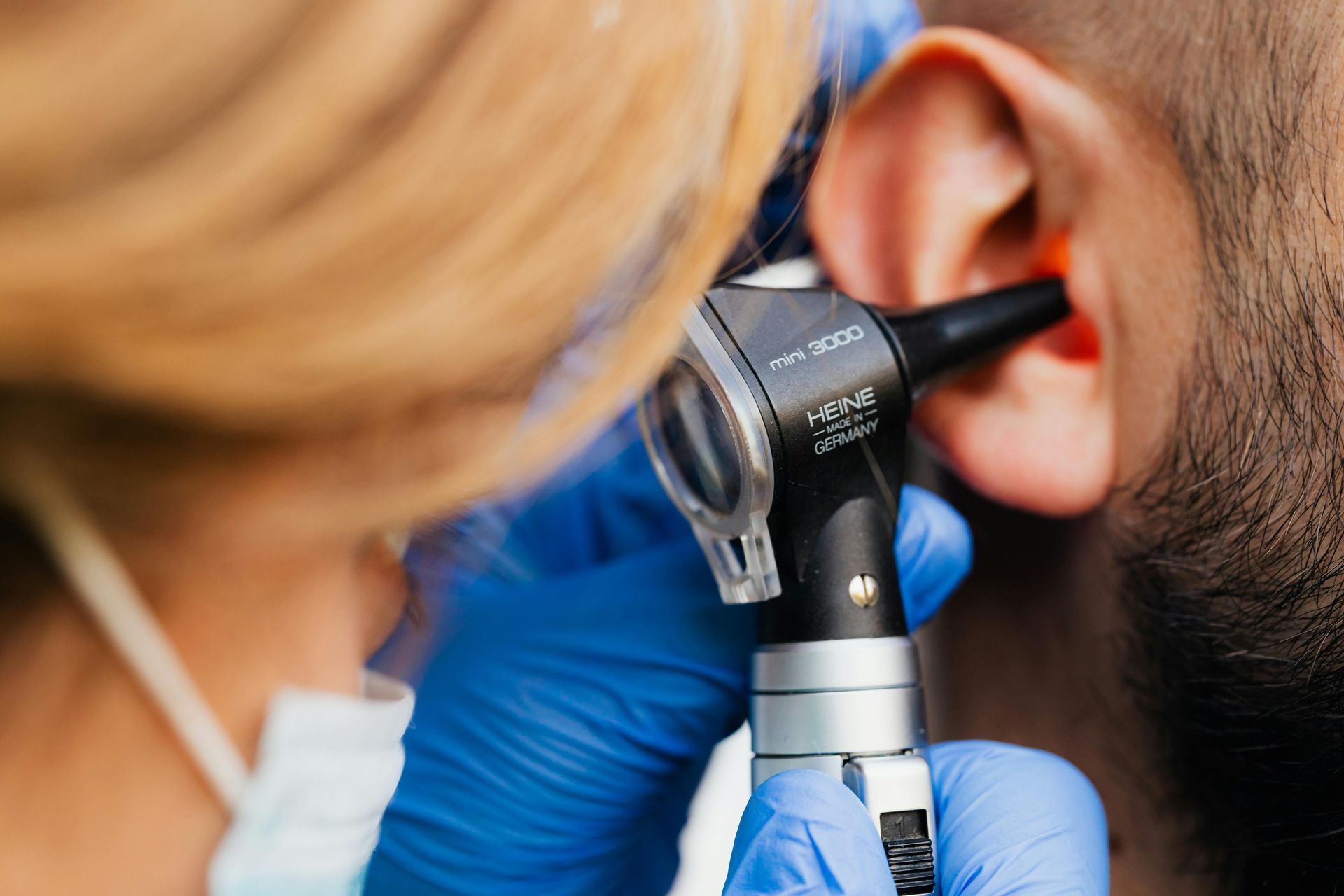
Hearing changes can be subtle, and many people don't realize there's a problem until it affects daily communication. For individuals with diabetes, routine hearing assessments are an important part of overall health care
— just like regular eye exams and foot checks.
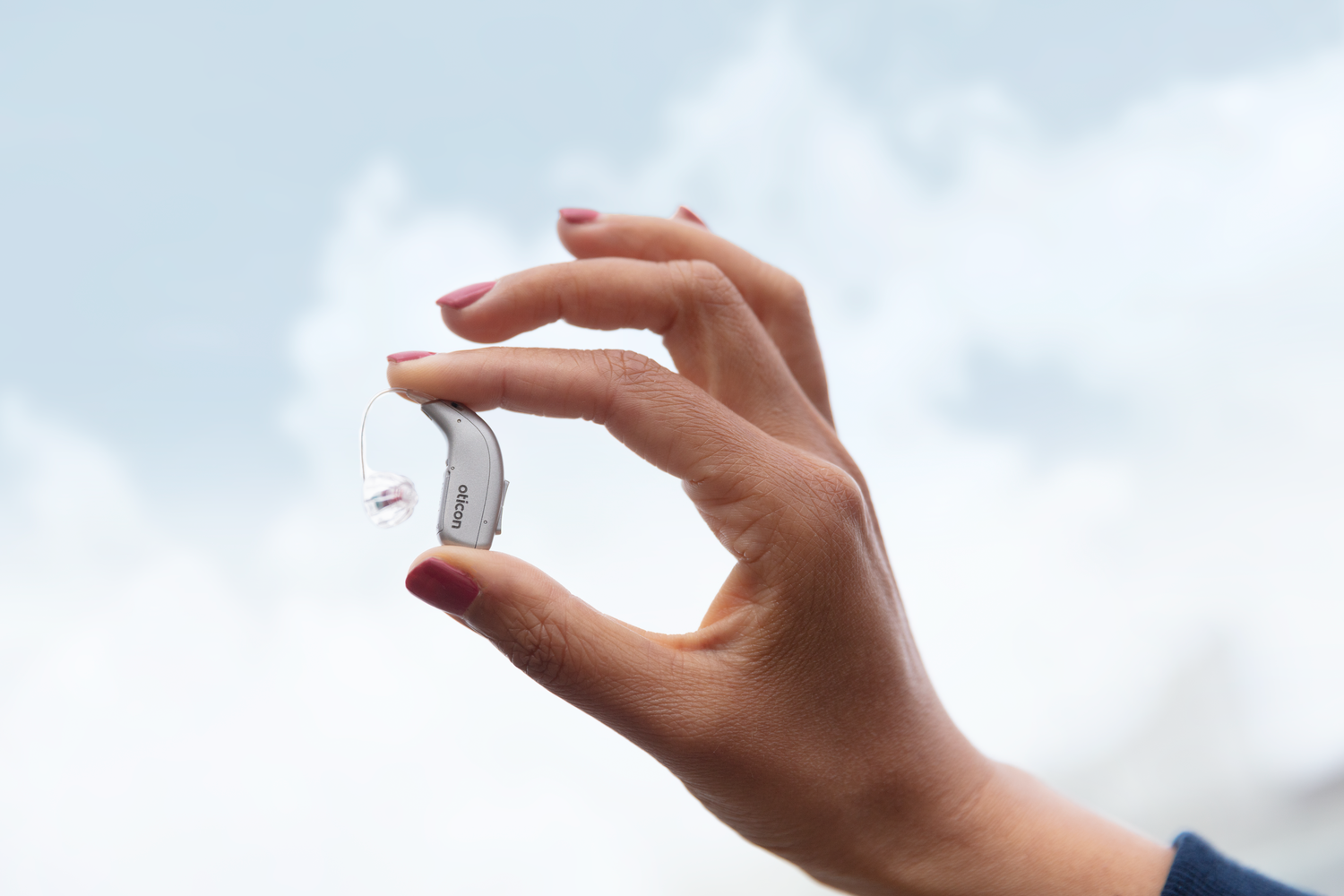
Early detection allows for timely interventions, such as hearing aids or assistive listening devices, which can improve quality of life and help prevent social isolation.
Taking Proactive Steps
• Keep blood sugar levels well controlled.
• Schedule annual hearing tests if you have diabetes or prediabetes.
• Protect your ears from loud noise, which can worsen existing damage.
• Talk to your healthcare team if you notice changes in hearing.
Written by: Shayna Swift, BA, MSc
Board-Certified Audiologist
Webster Street Hearing Boutique
Published: March 5, 2026
References:
Bainbridge, K. E., Hoffman, H. J., & Cowie, C. C. (2008). Diabetes and hearing impairment in the United States: Audiometric evidence from the National Health and Nutrition Examination Survey, 1999–2004. Annals of Internal Medicine, 149(1), 1–10. https://doi.org/10.7326/0003-4819-149-1-200807010-00231
Horikawa, C., Kodama, S., Tanaka, S., Fujihara, K., Hirasawa, R., Yachi, Y., Shimano, H., Yamada, N., Saito, K., & Sone, H. (2013). Diabetes and risk of hearing impairment in adults: A meta-analysis. The Journal of Clinical Endocrinology & Metabolism, 98(1), 51–58. https://doi.org/10.1210/jc.2012-2119