Did you know that hearing loss can increase your risk of falling?
Studies have found that older adults with hearing loss are at an increased risk of falls. Researchers believe this happens for several reasons. Decreased hearing may limit access to important auditory cues in your environment, such as approaching footsteps, traffic, or warning sounds. These cues help us stay aware of our surroundings and react quickly when needed.
Your Ears and Balance Are Connected
The auditory system works closely with the vestibular system (balance organs in the inner ear), as well as vision and proprioception (your body’s sense of position). When hearing is reduced, this
multisensory integration may become less effective, making it harder to maintain balance.
Can Treating Hearing Loss Help Prevent Falls?
Research suggests that treating hearing loss may help reduce the risk of falling. One major clinical trial, known as the
ACHIEVE study, followed older adults over three years. The study found that participants who received hearing aids and support from an audiologist experienced
27% fewer falls compared to those who did not receive hearing care.
Steps You Can Take
If you are over 55 or have noticed changes in your hearing, consider the following steps:
•
Get a hearing test. Even mild hearing loss can affect balance and increase fall risk.
•
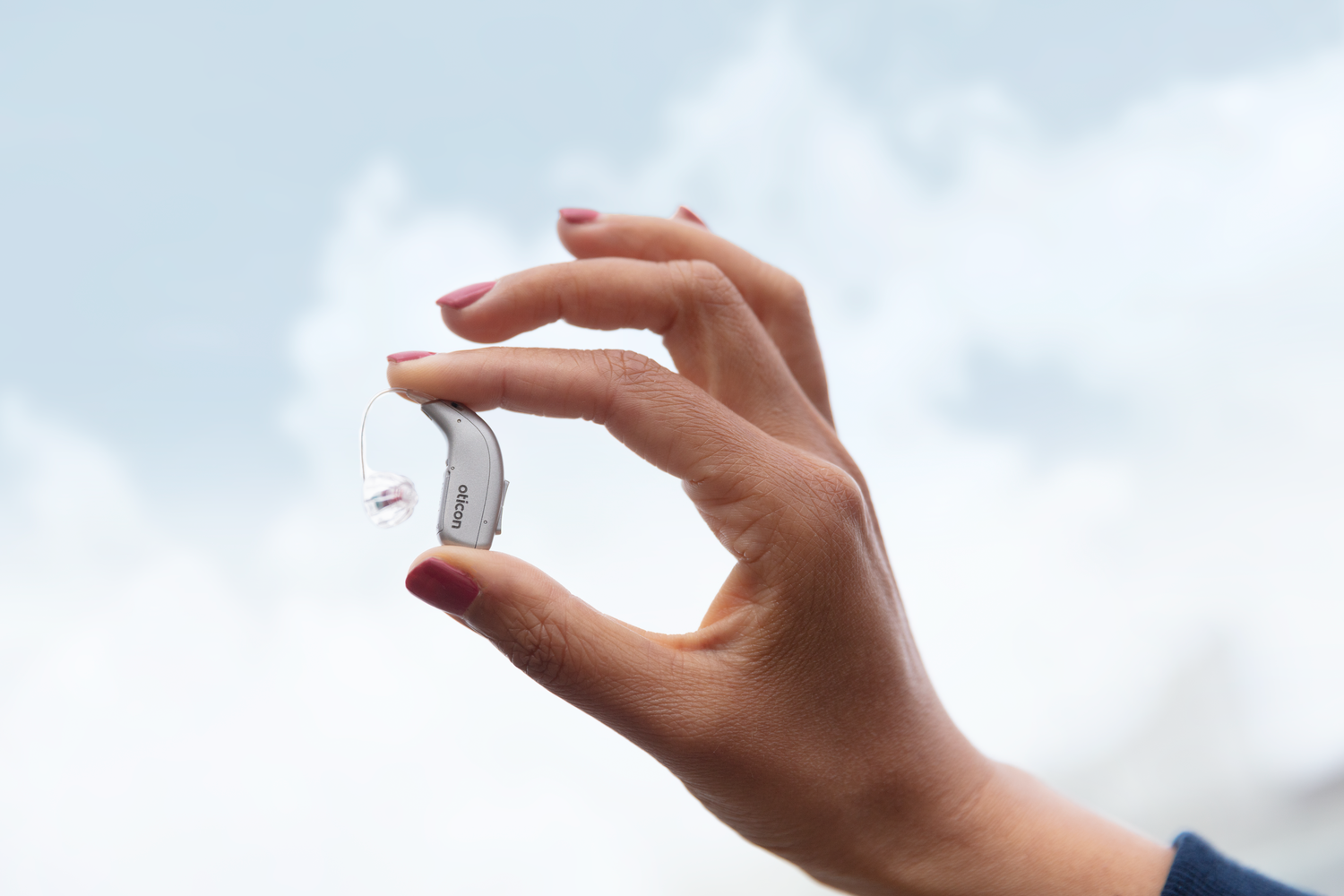
Ask about hearing aids
if hearing loss is identified.
•
Wear hearing aids consistently. Regular use allows your brain and body to adjust to improved sound input.
•
Stay active and alert.
Combine hearing care with fall-prevention strategies such as staying physically active, checking your home for tripping hazards, and reviewing medications with your healthcare provider.
Protecting Your Hearing and Your Balance
Hearing health plays an important role in maintaining independence and safety as we age. If you or a loved one is concerned about hearing loss or falls, a professional hearing assessment is an important first step.
Our audiology team is here to help you stay connected, confident, and steady on your feet. If you have concerns about hearing or balance, contact our team at
(902) 678-5550.
Written by: Shayna Swift, BA, MSc
Board-Certified Audiologist
Webster Street Hearing Boutique
Published: March 5, 2026
References:
Lin, F. R., & Ferrucci, L. (2012). Hearing loss and falls among older adults in the United States. Archives of Internal Medicine, 172(4), 369–371. https://doi.org/10.1001/archinternmed.2011.728
Deal, J. A., Sharrett, A. R., Albert, M. S., et al. (2023). Association of hearing intervention with cognitive decline in older adults: The ACHIEVE randomized clinical trial. The Lancet.
World Health Organization. (2021). World report on hearing. https://www.who.int/publications/i/item/world-report-on-hearing