Protecting Your Hearing in the Age of Earbuds
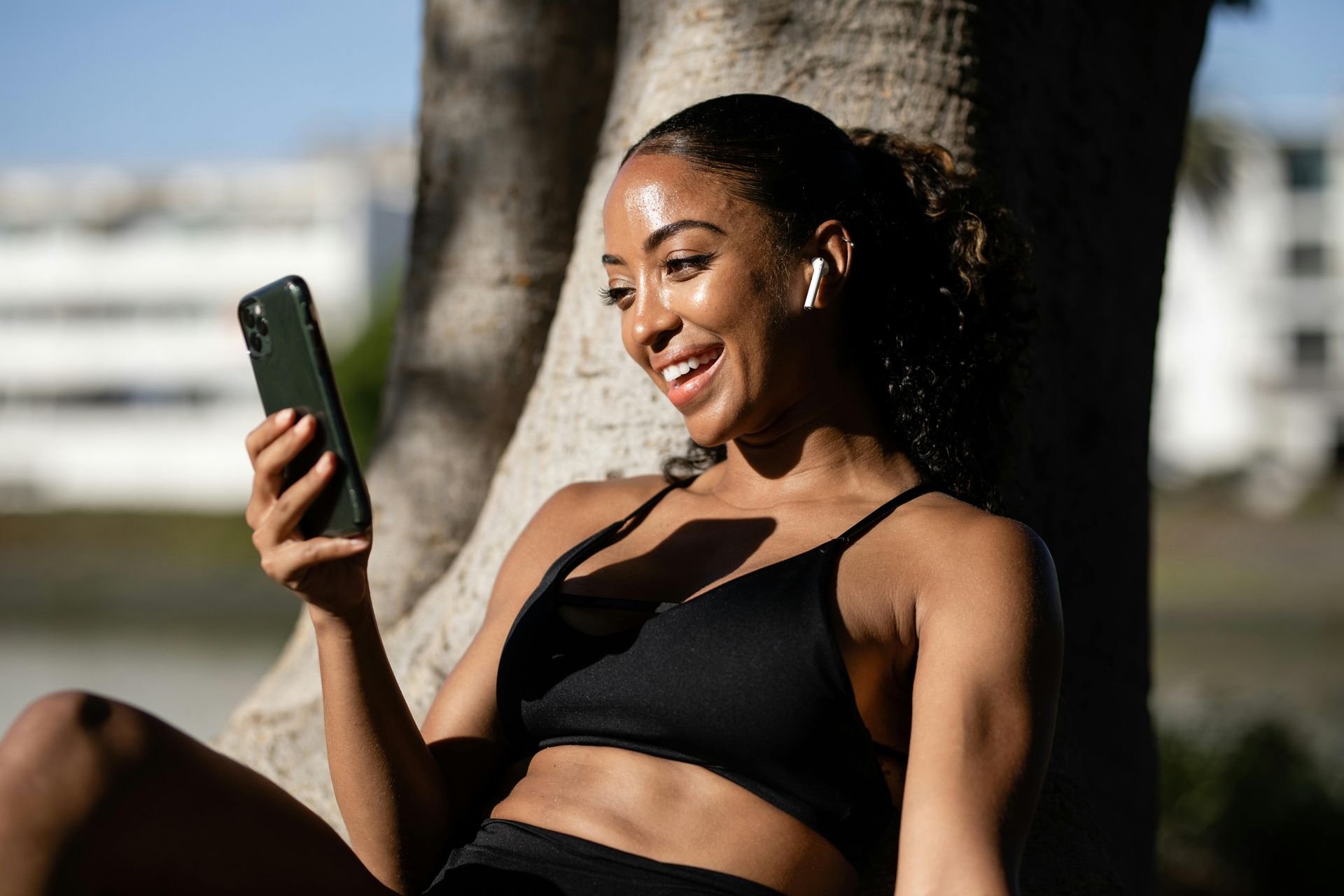
Earbuds have become part of everyday life—from music and podcasts to calls on the go. But as convenient as they are, everyday listening habits can have a lasting impact on your hearing health. Understanding how to listen safely is key to protecting your hearing for years to come.
Noise-induced hearing loss (NIHL) is no longer limited to workplaces or concerts—it’s increasingly linked to everyday earbud use. With more people listening for longer periods at higher volumes, understanding safe listening habits has never been more important.
- About 19% of American teenagers show signs of NIHL.
- 24.4% of adults aged 20–69 have evidence of NIHL—and more than half of these cases occur in people without significant workplace noise exposure.
- Globally, the World Health Organization estimates that nearly 50% of people aged 12–35 (around 1.1 billion individuals) are at risk due to unsafe listening practices, including earbud use.
That may sound alarming—but the good news is that NIHL is largely preventable.
How Loud Is Too Loud?
Many personal listening devices, including earbuds, can reach 100–110 decibels (dB)—and some can exceed 125 dB. For comparison, that’s similar to a chainsaw or a rock concert.
Hearing risk depends on two things:
- How loud the sound is
- How long you listen
Health organizations, including the American Academy of Family Physicians and the American Academy of Pediatrics, support the WHO’s recommendation of limiting listening to no more than
one hour per day at 85 dBA.
The WHO also promotes the easy-to-remember 60/60 rule.
60/60 Rule:
- Listen at 60% of maximum volume
- Listen for no more than 60 minutes at a time
Written by: Shayna Swift, BA, MSc
Board-Certified Audiologist
Webster Street Hearing Boutique
Published: April 2, 2026
References:
Balk, S. J., Bochner, R. E., Ramdhanie, M. A., & Reilly, B. K. (2023). Preventing excessive noise exposure in infants, children, and adolescents. Pediatrics, 152(5), e2023063762. https://doi.org/10.1542/peds.2023-063762
Breinbauer, H. A., Anabalón, J. L., Gutierrez, D., et al. (2012). Output capabilities of personal music players and assessment of preferred listening levels of test subjects: Outlining recommendations for preventing music-induced hearing loss. The Laryngoscope, 122(11), 2549–2556.
Byeon, H. (2021). Associations between adolescents’ earphone usage in noisy environments, hearing loss, and self-reported hearing problems in a nationally representative sample of South Korean middle and high school students. Medicine, 100(7), e24712.
Cunningham, L. L., & Tucci, D. L. (2017). Hearing loss in adults. The New England Journal of Medicine, 377(25), 2465–2473.
https://doi.org/10.1056/NEJMra1616601
Eichwald, J., Themann, C. L., & Scinicariello, F. (2023). Safe listening at venues and events with amplified music—United States, 2022. MMWR. Morbidity and Mortality Weekly Report, 72, 1–6.
Fink, D., & Mayes, J. L. (2020). Making recommendations to reduce noise exposure. American Family Physician, 101(5), 275–280.
Neitzel, R. L., & Fligor, B. J. (2019). Risk of noise-induced hearing loss due to recreational sound: Review and recommendations. The Journal of the Acoustical Society of America, 146(5), 3911–3921.