
Hearing Health in Canada: What You Should Know
How Common is Hearing Loss in Canadians?
Hearing loss is more common than many people realize, and it can affect individuals at any age. According to Statistics Canada, approximately 60% of Canadian adults aged 19–79 have hearing loss, tinnitus, or both conditions.
Hearing loss becomes increasingly common with age. In Canada, approximately 9% of adults aged 20–39 have measurable hearing loss, compared with 94% of adults aged 70–79. Interestingly, the prevalence of tinnitus (ringing or other sounds in the ears) remains relatively consistent across age groups.

What Are the Risk Factors for Hearing Loss?
Several factors can contribute to hearing loss, including age, noise exposure, medical conditions, and lifestyle habits.
1. Age-Related Hearing Loss (Presbycusis)
Age-related hearing loss is one of the most common forms of hearing loss. It develops gradually over time due to changes in the auditory system, including the cumulative effects of aging and environmental exposures. A baseline hearing assessment around age 50 can help identify early changes and establish a reference point for future testing.
2. Noise Exposure
Repeated exposure to loud sounds, whether at work or during recreational activities, can damage the delicate structures of the inner ear. Using appropriate hearing protection in noisy environments and having regular hearing assessments can help protect long-term hearing health.
3. Medical Conditions and Medications
Diabetes, cardiovascular disease, certain ear conditions, and genetic factors may increase the risk of developing hearing loss. Some medications are also ototoxic, meaning they can potentially damage the inner ear.
If you have a medical condition or take medication that may affect your hearing, speak with your healthcare provider or audiologist about appropriate hearing monitoring.
4. Lifestyle and Environmental Factors
Research suggests that smoking, poor nutrition, and a sedentary lifestyle may contribute to hearing health risks. Certain lifestyle factors may affect circulation, inflammation, and other processes involved in maintaining healthy auditory function.
Maintaining overall health and monitoring your hearing can support hearing wellness throughout life.
How Can Hearing Loss Affect Everyday Life?
Hearing loss affects much more than the ability to hear sounds. Because hearing plays an important role in communication and social connection, unmanaged hearing loss can influence emotional well-being, workplace performance, safety, relationships, and overall quality of life.
When hearing becomes more difficult, the brain must work harder to interpret speech and understand conversations. This increased listening effort can contribute to listening fatigue, frustration, social withdrawal, and isolation.
Research has also identified an association between hearing loss and cognitive decline, including dementia. A Canadian study published in 2024 examined potentially modifiable dementia risk factors, including hearing loss. Having hearing loss does not mean you will develop dementia. However, hearing health is increasingly recognized as an important consideration in healthy aging. Addressing hearing difficulties may help support communication, social engagement, and overall quality of life.
Hearing loss also affects children. When hearing difficulties go unrecognized or are not appropriately managed, they can interfere with speech and language development, learning, academic performance, and social-emotional development. Early identification and intervention are particularly important.
Recognizing the Signs of Hearing Loss
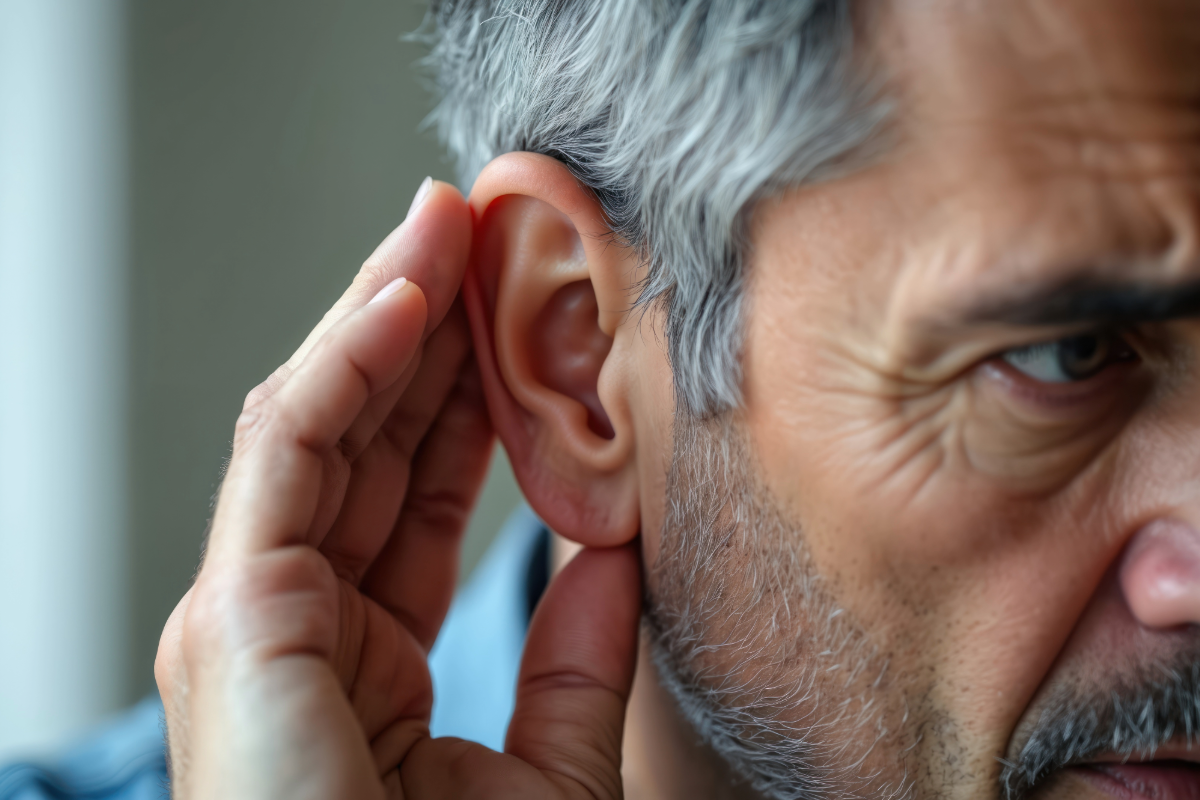
Hearing loss often develops gradually, making it easy to overlook. Recognizing the early signs can help you seek appropriate care before communication difficulties begin to affect everyday life.
Common signs include:
- Frequently asking others to repeat themselves
- Speaking louder than necessary
- Straining to hear or experiencing listening fatigue
- Misunderstanding conversations
- Favouring one ear over the other
- Difficulty understanding speech in background noise
- Relying more heavily on lip-reading
- Turning up the television or radio volume
- Difficulty hearing on the telephone
- Withdrawing from conversations or social activities
- Experiencing ringing or buzzing in the ears (tinnitus)
If you recognize any of these signs in yourself or a loved one, a comprehensive hearing assessment can help identify the cause and determine the next steps.
When Should You Have Your Hearing Checked?
Hearing assessments are an important part of preventive healthcare, even when no obvious hearing difficulties are present. The appropriate testing schedule depends on your age, medical history, noise exposure, and individual hearing needs.
As a general guide, the following intervals may be considered:
Adults
- Age 50 and older: Every 1–2 years
- Ages 18–40 with hearing-related risk factors: Every 2–5 years
- Ages 18–49 without known risk factors: Every 5–10 years
These intervals are general suggestions rather than universal clinical guidelines. Your audiologist may recommend more frequent assessments based on your individual circumstances.
Hearing Assessments for Children
Hearing health is equally important throughout childhood. Hearing evaluations may be appropriate at key developmental and educational stages, particularly when concerns arise.
Suggested checkpoints include:
- Before starting school: Approximately ages 4–5
- Before starting high school: Approximately ages 13–14
- Before entering university or college: Approximately ages 17–18
In Nova Scotia, newborn hearing screening is offered through the provincial hearing screening programme, with most babies screened before leaving the hospital. When screening cannot be completed before discharge, arrangements can be made for community-based screening, ideally within the first month of life.
Children should also receive a hearing assessment whenever there are concerns about speech, language, learning, or hearing development, regardless of age.
Taking the Next Step Toward Better Hearing Health
Hearing health is an essential part of overall wellness at every stage of life. Whether you are noticing subtle changes in your hearing, managing a medical condition that may affect your ears, or simply looking to establish a baseline, proactive hearing care can make a meaningful difference.
At
Webster Street Hearing Boutique, our audiologists provide comprehensive diagnostic hearing assessments and personalized recommendations tailored to your individual needs. Call (902) 678-5550 to book an appointment and take a proactive step toward lifelong hearing health.
Written by: Courtney Warmerdam, BA, MSc
Board-Certified Audiologist
Webster Street Hearing Boutique
Published: October 26, 2026
References:
- Statistics Canada. (2021). Hearing health of Canadian adults. Government of Canada.
- Newsted, D., Rosen, E., Cooke, B., Beyea, M. M., Simpson, M. T. W., & Beyea, J. A. (2020). Approach to hearing loss. Canadian Family Physician, 66(11), 803–809.
- Mick, P. T., Kabir, R., Pichora-Fuller, M. K., Jones, C., Moxham, L., Phillips, N., Urry, E., & Wittich, W. (2023). Associations between cardiovascular risk factors and audiometric hearing: Findings from the Canadian Longitudinal Study on Aging. Ear and Hearing, 44(6), 1332–1343.
- Tang, D., Tran, Y., Dawes, P., & Gopinath, B. (2023). A narrative review of lifestyle risk factors and the role of oxidative stress in age-related hearing loss. Antioxidants, 12(4), 878.
- Son, S., Speechley, M., Zou, G. Y., Kivipelto, M., Mangialasche, F., Feldman, H. H., Chertkow, H., Belleville, S., Nygaard, H., Hachinski, V., Pieruccini-Faria, F., & Montero-Odasso, M. (2024). Potentially modifiable dementia risk factors in Canada: An analysis of Canadian Longitudinal Study on Aging with a multi-country comparison. The Journal of Prevention of Alzheimer's Disease, 11(5), 1490–1499.
- Tonelli, M., Wiebe, N., Lunney, M., et al. (2023). Associations between hearing loss and clinical outcomes: Population-based cohort study. eClinicalMedicine, 61.
- Lin, F., Pike, J., Albert, M., et al. (2023). Hearing intervention versus health education control to reduce cognitive decline in older adults with hearing loss in the USA (ACHIEVE): A multicentre, randomised controlled trial. The Lancet, 402, 786–797.
Share This Post
Ready for a more refined hearing experience?